

Behind the Glamour: The Real Story of Audrey Hepburn

Updated: Oct 5
Remembering the Life of Audrey Hepburn
Table of Contents

Introduction
We all know Audrey Hepburn as the epitome of Hollywood chic—floating down Fifth Avenue in a Givenchy dress, oversized sunglasses, and a tiara. But if you look past the pristine Hollywood studio portraits, you find a woman whose life was shaped by unimaginable wartime trauma, deep personal heartbreak, and an urgent drive to save children around the world.
Let's dive into the fascinating, resilient life of the woman behind the Holly Golightly smile.
From a Broken Home to Surviving the Nazis
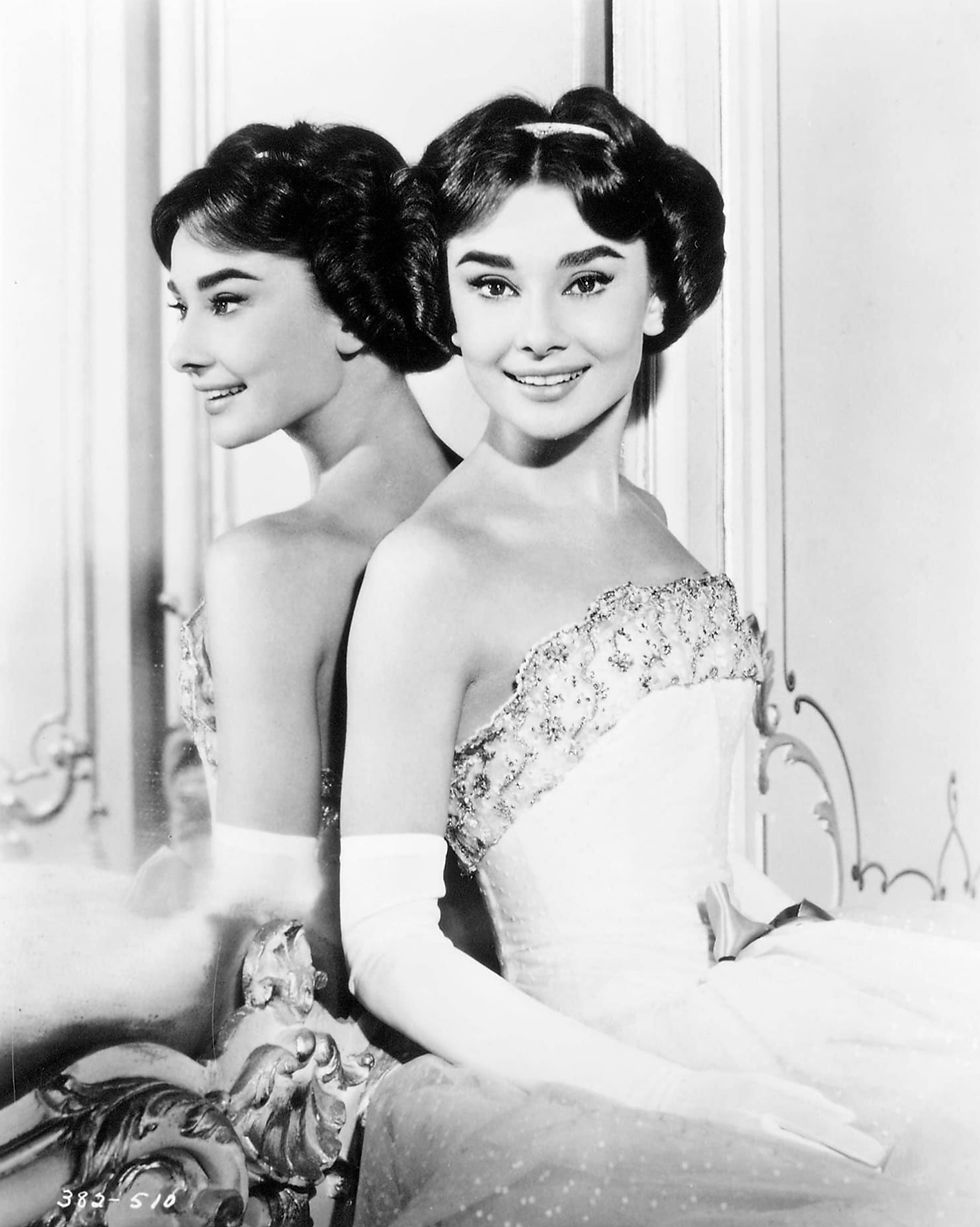
Audrey's life started out privileged but quickly fractured. Born in Brussels, Belgium, in 1929, she dealt with early heartbreak when her father walked out on the family in 1935 - she was only six years old.¹ Her mother moved the family to the Netherlands, thinking they would be safe from the rumblings of war in Europe. They were not. In 1940, Germany invaded, trapping a teenage Audrey in five years of terrifying Nazi occupation.
The occupation wasn't just scary; it was physically devastating. During the infamous "Hunger Winter," food was so scarce that Audrey ate tulip bulbs to survive.² This extreme malnutrition permanently altered her metabolism, resulting in the distinctively thin frame that Hollywood would later mistake for a high-fashion choice.
But Audrey was not just a passive bystander. She actively fought back by joining the Dutch resistance. She danced in illegal, secret underground recitals to raise money for families sheltering Jewish refugees, and she even smuggled anti-Nazi newspapers inside her ballet shoes.³
The Dream That Died (and Built a Star)

When the war finally ended in 1945, Audrey moved to London on a ballet scholarship.⁴ She poured her heart into becoming a prima ballerina. Still, her teachers eventually dropped a devastating truth bomb. Because of her height and the irreversible damage malnutrition had done to her body, she would never make it as a top-tier dancer.⁵
Heartbroken but needing to support her family, she took small acting and chorus girl gigs. Her life changed forever during a film shoot in Monaco, where the famous French author Colette saw her and instantly knew she had found her star. Colette handpicked Audrey to star in the Broadway adaptation of her novel Gigi, launching her from European obscurity into the American spotlight overnight.⁶
The Private Struggle for Love & Peace

While her professional life was an absolute fairytale, Audrey's personal life felt like a constant uphill battle. She desperately wanted a quiet, stable family life, but it kept slipping through her fingers. Her first marriage to actor Mel Ferrer was a rollercoaster of professional success and deep personal grief, including several painful miscarriages before they welcomed their son, Sean, in 1960.⁷ They eventually divorced after 14 years.
Her second marriage to an Italian psychiatrist, Andrea Dotti, brought her a second son, Luca, but was ultimately torn apart by constant media scrutiny and mutual infidelity. Her son Sean later opened up about how deeply these heartbreaks affected her, noting that the painful collapse of her second marriage was almost more than she could take emotionally.⁸ It wasn't until the final decade that she found true, peaceful companionship with her long-term partner, Robert Wolder.
Her Greatest Role Was Never on a Movie Screen

In the late 1980s, Audrey did something few Hollywood icons ever do: she completely walked away from the glamour of cinema to dedicate her life to others. Remembering how the United Nations brought her life-saving food relief right after World War II, she joined UNICEF as a Special Ambassador to pay that kindness forward.⁹
Audrey didn't just sign checks or show up to fancy galas. She rolled up her sleeves and flew into active war zones and deeply impoverished nations - including Somalia and Bangladesh - to get aid directly to children.⁹ She used her massive global platform to testify before the U.S. Congress and demand that the world pay attention to forgotten crises.
Audrey passed away in 1993, but her legacy isn't just about beautiful dresses or classic movies. It's about a woman who took the trauma of her own childhood and used it to bring light to the darkest corners of the world.

Notes & References
Paris, B. (1996). Audrey Hepburn. Berkley Books.
Hepburn, Audrey. (n.d.). In Encyclopedia.com. https://www.encyclopedia.com/people/literature-and-arts/film-and-televsion-biographies/audrey-hepburn
Spoto, D. (2006). Enchantment: The life of Audrey Hepbu
Ballet Rambert School history. (n.d.) Oxford Reference. https: //www.oxfordreference.com.
Walker, A. (1994). Audrey: Her real story. St. Martin's Press.
Audrey Hepburn: From war-torn childhood to Hollywood icon. (2023, August 10). HistoryHit. https: //www.historyhit.com/culture/audrey-hepburn-from-war-torn-childhood-to-hollywood-icon/
Ferrer, S.H. (2003). Audrey Hepburn: An elegant spirit. Atria Books.
Interview with Sean Hepburn Ferrer. (n.d.) The Guardian. https: //www.theguardian.com.
Remembering Audrey Hepburn: Homage. (n.d.). Substack (Lifestyle Diaries). https://substack.com.
About the Author

Isabella Boston is a writer, historian, and culture enthusiast who is dedicated to exploring the intersection of history, film, and fashion. With an intriguing interest in the golden age of Hollywood and the stories of inspiring historical figures, she loves uncovering the human narratives behind symbolic & classic legends.
When not writing or researching for her blog and professional writing platform, Isabella can be found curating her vintage-style capsule wardrobe, spreading the Word of God in Christ Jesus, or curled up with a good book and a delicious hot cup of coffee!


Comments